The Only Guide to How To Combat Garden Pests Naturally You're Going To Need
Table of ContentsAll About Garden Pest Control Methods in 25 secondsThe definitive Guide to How To Get Rid Of Common Garden Pests in the CountryAll The Things Garden Pests: How To Get Rid Of Them Has Changed
If you are trying to get or keep organic certification be sure to inspect the Organic Materials garden pests image source Evaluation Institute (OMRI) or the National Organic Program (NOP) for a list of materials approved for natural usage in the United States. also keeps a list of organic products all OMRI Listed used on their site.
While less reliable against many hard-shelled, adult insects (such as beetles), they can be used to control their immature larval phases and eggs. As an outcome, timing the application is an important factor when using these natural insecticides. The fats in Insecticidal Soap (this is not the exact same thing as meal soap) penetrate the insect's outer covering and trigger the cells to collapse, consequently killing the pest.
Insecticidal soap is thought about a least-toxic pesticide and will not harm helpful pests such as praying mantis and ladybugs. 100% natural. is made from naturally occurring plant oils and animal fats. Permeates the protective external shell of soft bodied insect bugs and triggers dehydration and death within hours. Horticultural oil is a highly fine-tuned paraffinic oil, that as soon as mixed with water is sprayed on plant foliage.
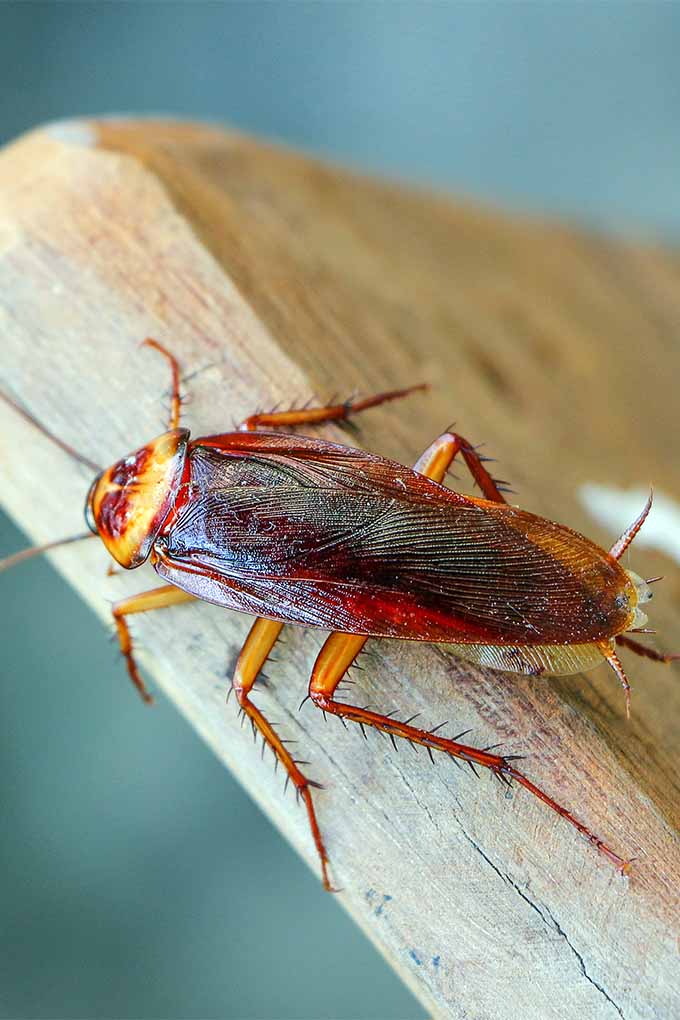
d-Limonene, made from the oil drawn out from citrus rind, is a relatively new organic insecticide that works by destroying the waxy covering of an insect's breathing system. Ideal for use in the kitchen and around the house, d-Limonene can be utilized to combat fleas, ants and cockroaches. In a current research study, d-Limonene (discovered in Orange Guard) was revealed to decrease cockroach populations more effectively than Dursban, the toxic component in Raid.
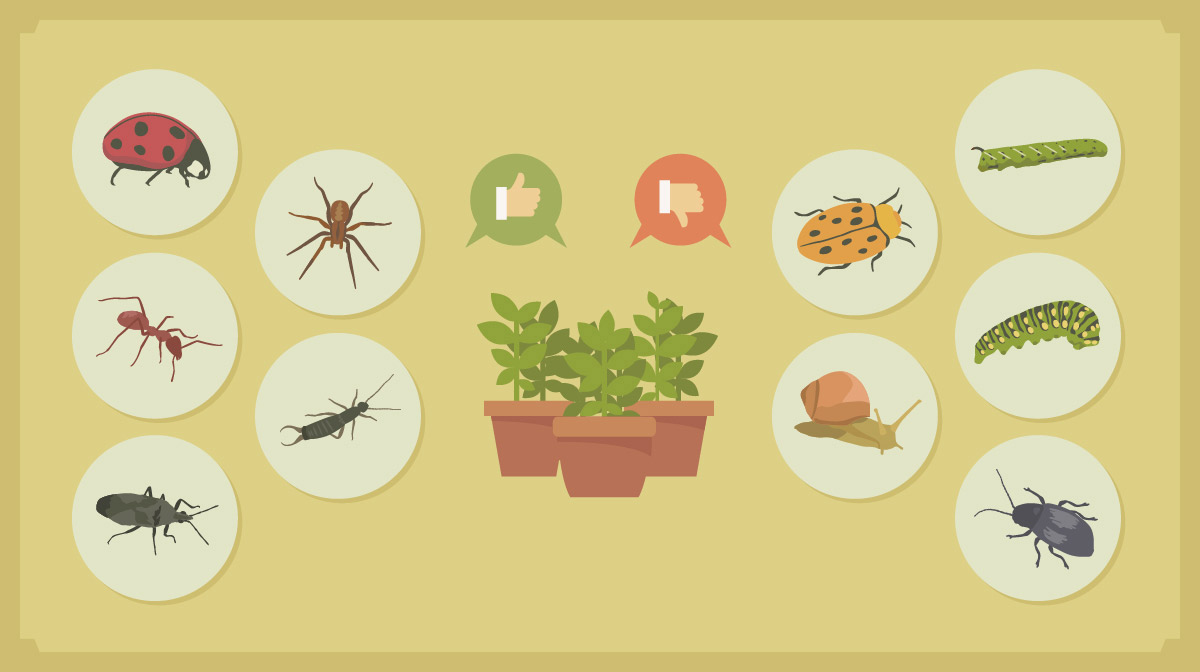 All About How To Get Rid Of Common Garden Pests in 55 seconds
Often plant illness can be prevented by making sure great draining soil and sufficient air movement. But, when that doesn't work and your plants start to show signs of rust, musty coverings, spots, wilting, scabs and decayed tissue it's time to apply a fungicide. Visit our page on Plant Diseases for aid recognizing a few of the more common disease fungi impacting vegetables, flowers, trees and grass.
Sulfur and copper are 2 broad spectrum natural fungicides that have low toxicity to animals, including human beings. Nevertheless, you still need to exercise caution and read the guidelines prior to using them. It's likewise crucial to respect their temperature restrictions. Copper fungicide can be utilized on veggies, roses, fruits and turf.
How to Learn About How To Get Rid Of Garden Pests Without Chemicals in Your Spare Time
Liquid Copper Fungicide works versus peach leaf curl, grainy mildew, black spot, rust, anthracnose, fire blight and bacterial leaf area and is approved for natural gardening. Spray all plant parts completely, and repeat every 7-10 days. Sulfur Fungicide is SNS a carefully ground wettable powder that can be utilized on fruits, veggies and flowers.
Sulfur Plant Fungicide is efficient versus grainy mildew, rust, scab, brown rot and much more. Do NOT use throughout periods of high temperature level or within 2 weeks of an oil spray as burning might take place. A brand-new broad spectrum bio-fungicide that is authorized for usage in natural production is called Serenade Garden Illness Control.
For finest results, deal with prior to disease development or at the first sign of illness infection. Repeat at 7-day periods or as needed.
No gardener wishes to see bugs wreaking havoc on a bed full of ripening produce. Luckily, it's possible to keep unwanted visitors away. Because some pesticides can harm the helpful bugs that really assist your plants, attempt these easy control measures first prior to turning to the strong stuff. Radu Bercan/Shutterstock These small, pear-shaped animals have long antennae and two tubes predicting rearward from their abdominal area.
 Tips and Trick for How To Get Rid Of 7 Common Garden Pests
Aphids draw plant sap, causing foliage to distort and delegates drop; honeydew excreted on leaves supports sooty mold development; and feeding spreads viral diseases. To manage these bugs: Wash plants with strong spray of waterEncourage native predators and parasites such as aphid midgets, lacewings, and woman beetlesWhen practical, cover plants with drifting row coversApply hot-pepper or garlic repellent spraysFor severe issues, apply horticultural oil, insecticidal soap, or neem oil studio 2013/Shutterstock These stick to cabbage-family crops, particularly Chinese cabbages, and live throughout North America.
To control these destructive creatures, try these techniques: Apply floating row coversSet out transplants through slits in tar-paper squaresAvoid first generation by postponing plantingApply parasitic nematodes around rootsBurn roots from collected plantsMound wood ashes or red pepper dust around stems polarpx/Shutterstock Caterpillars are soft, segmented larvae with unique, harder head pill with six legs in the front and fleshy incorrect legs on rear segments.
Why How To Get Rid Of Garden Pests are So Popular
Caterpillars chew on leaves or along margins; some tunnel into fruits. To discourage them: Motivate native predators and parasitesHand-pick your harvestApply floating row covers Sarah2/Shutterstock Cutworms are fat, 1-inch-long, gray or black segmented larvae most active during the night. They are found on most early veggie and flower seedlings and transplants throughout The United States garden pests useful site and Canada.
For control: Use cutworm collars on transplantsDelay plantingHand-pick cutworms curled listed below soil surface Sergiy Kuzmin/Shutterstock Grownups are yellow-orange Sierra Natural Science beetles with ten black stripes on wing covers. They're discovered on potatoes, tomatoes, cherry tomatoes, eggplant, and petunias throughout The United States and Canada. These beetles defoliate plants, reducing yields or eliminating young plants. To control: Apply drifting row coversUse deep straw mulchesHand pickAttract native parasites and predatorsSpray with neem oil Malcangi Valentina/Shutterstock Adults are oval, yellow-brown, 1/4-inch beetles with 16 black spots on wing covers, while larvae are fat, dark yellow grubs with long, branched spines.
Adults and larvae chew on leaves from beneath, leaving a lacy look. To manage: Use floating row coversPlant bush beans earlyHand pickPlant soybean trap cropOut out lures to draw spined soldier bugs (predators) to your yardSpray with insecticidal soap or neem oil InsectWorld/Shutterstock Flea beetles are little, dark beetles that jump like fleas when disturbed.
Adults chew many small, round holes into leaves (most destructive to young plants), and larvae feed upon plant roots. For control: Use floating row coversSpray plants with garlic spray or kaolin clay Steven Ellingson/Shutterstock These are fast-moving, mottled, green or brown bugs that have forewings with black-tipped yellow triangles. They can be found on lots of flowers, fruits, and vegetables throughout The United States and Canada.